Online competitions package familiar mechanics, chance, skill, and engagement, into digital formats that scale to large audiences while keeping sign-ups, drawing methods, and prize fulfillment clear and convenient.
Standard rules, visible timelines, and concise eligibility checks create predictability for participants, and they also help organizers coordinate inventory, support, and post-campaign communication without confusion.
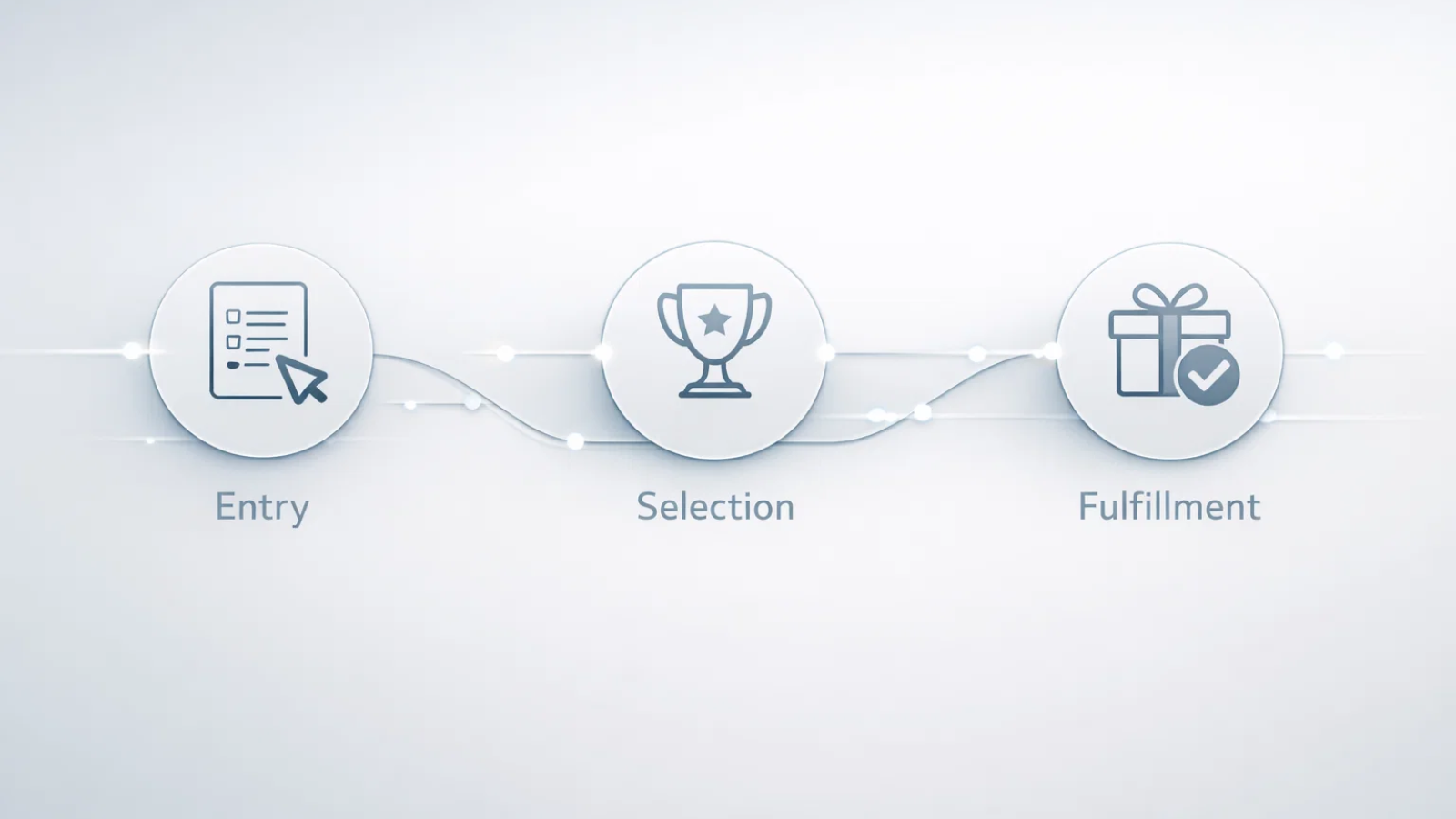
When entry paths, selection logic, and fulfillment workflows align, brands gain measurable reach and people enjoy straightforward participation that fits into ordinary browsing on phones and laptops.
Kinds Of Online Competitions
Formats include sweepstakes based on random draws, skill contests judged on criteria like creativity or accuracy, instant wins with predefined odds, and tiered giveaways that unlock bonuses as milestones are met.
Hype-driven drops often use raffles for shoes, limited collectibles, or event tickets to spread demand across time and reduce cart rushes that overwhelm checkouts.
User-generated content contests invite photos, short videos, or mini-pitches, with judging rubrics that reward clarity, originality, and fit with published themes or prompts.
Trivia or puzzle challenges measure speed and correctness, while leaderboards and fair tiebreakers keep outcomes transparent and replicable.
Referral and loyalty raffles convert ongoing activity, follows, purchases, or check-ins, into entries, allowing steady participation without requiring daily manual sign-ups.
Community lotteries at festivals, streams, or forums add simple rules and real-time drawings, creating shared moments that are easy to join from a phone.
Entry, Selection, And Fulfillment
Entry flows rely on short forms, platform permissions, or in-app actions, and confirmation emails or dashboards record the timestamp so participants can verify inclusion.
Random selections use seeded generators and auditable logs, while published drawing windows and winner counts set clear expectations for timing and odds.
Skill contests state judging criteria up front, weighting creativity, relevance, and technical execution, so participants understand how to focus efforts.
Eligibility checks verify age, region, and one-per-person limits through lightweight signals, keeping the process smooth while honoring local requirements.
Fulfillment aligns winners with prize inventory, shipping windows, and digital codes, and status pages show progress from verification to delivery.
Post-event summaries list winners, prize totals, and next steps, creating closure and encouraging future participation through transparent reporting.
Technology, Fairness, And Scale
 Backends coordinate queues, anti-automation checks, and rate limits, ensuring that high-traffic moments remain responsive for people on mobile and home connections.
Device and behavior signals help separate normal participation from scripted surges, while captchas and email verification add light friction that protects fairness without burdening genuine entries.
Operations teams run controlled diagnostics from diverse networks, and references to an unlimited datacenter proxy typically describe lab vantage points rather than participant tools.
Enterprises standardize QA traffic, logs, and regions under an enterprise proxy management strategy, which supports reproducible tests across markets while keeping customer participation paths simple.
Edge caching, efficient APIs, and short-lived tokens keep forms snappy, and message queues smooth out spikes during entry deadlines or live drawings.
Public audit notes, hashes of winner lists, or signed summaries, offer verifiable checkpoints that any observer can match against later announcements.
Platforms that integrate storefronts, inventory, and notifications avoid mismatches, so winners receive accurate sizing, valid codes, and clear delivery estimates.
Value For Participants And Organizers
Participants gain convenient access to launches, experiences, and limited items without camping in lines, since digital windows and reminders fit normal routines.
Creators and brands gather opt-in signals, interests, preferred sizes, or event locations, turning anonymous traffic into subscribers who actually want product updates.
Metrics such as unique entrants, completion rate, and repeat participation guide future formats, helping teams pick the right balance of chance and skill.
Fair selection and clear eligibility strengthen trust, which increases turnout and encourages people to return for seasonal or themed editions.
Customer support benefits from centralized messaging because entry confirmations, winner notices, and fulfillment updates live in one thread.
Localization adapts dates, units, and shipping options per region, making international participation straightforward without separate campaigns.
Partnerships with retailers, venues, or platforms extend reach, aligning giveaways with product drops, concerts, conferences, or local store activations.
Conclusion: Web Competitions for Brand Awareness