
One hard truth about global marketing: content that works in one market often falls flat in another. A slogan that sounds clever in English may feel awkward in Spanish. A product demo that converts in the US may not connect with viewers in Southeast Asia.
That’s why localization is important. And this is exactly where AI video is changing the game. With the help of AI, brands can now adapt video content for different languages, cultures, and audience preferences much faster than before.
Let’s look at how AI video helps brands create localized content more efficiently, and why this matters more than ever.
Why Localized Content Matters More Than Ever?
Consumers respond to content they feel familiar with. They want to hear their language, see visuals that reflect their culture, and experience messaging that feels made for them. When brands fail to localize, the content may still be understandable, but it often feels distant.
Localized video helps brands:
- build trust faster
- improve engagement rates
- increase conversion potential
- strengthen brand relevance in new markets
- create a better customer experience
The problem, of course, is scale.
Creating separate videos for every region used to be expensive and time-consuming. For many businesses, it simply wasn’t practical. AI video is changing that.
How AI Video Makes Localization Easier?
1. Faster Language Adaptation
One of the biggest challenges in localization is language. Translating subtitles is easy enough. But subtitles alone are not always enough to drive strong engagement.
AI video tools can help brands create videos with translated voiceovers, AI-generated presenters, or lip-synced speech in multiple languages. This makes the content feel more natural and immersive for local viewers.
2. More Flexible Visual Customization
Localization is not just about words. Visual style matters too. Different markets often respond to different aesthetics.
With video style transfer technology, brands can adapt the look and feel of a video to better match local preferences without reshooting everything. A single campaign can be visually adjusted for different regions, making the content feel more tailored while saving time and production costs.
That kind of flexibility opens up new creative possibilities for global marketing teams.
3. Easier Testing Across Markets
Localization is not always about getting it perfect on the first try. Often, it’s about testing what resonates.
AI video makes it easier to create multiple versions of the same campaign for different countries, languages, or audience segments. Brands can compare performance and refine messaging based on real data. This helps marketers move from guesswork to informed optimization.
4. Lower Production Costs
Traditional localization often requires separate shoots, different actors, local editing teams, and multiple approval cycles. That process can quickly become expensive.
AI video reduces many of those barriers.
By repurposing existing footage, using AI avatars, applying multilingual voice generation, and leveraging tools like video style transfer, brands can localize content more affordably. This makes global expansion more realistic, even for smaller companies.
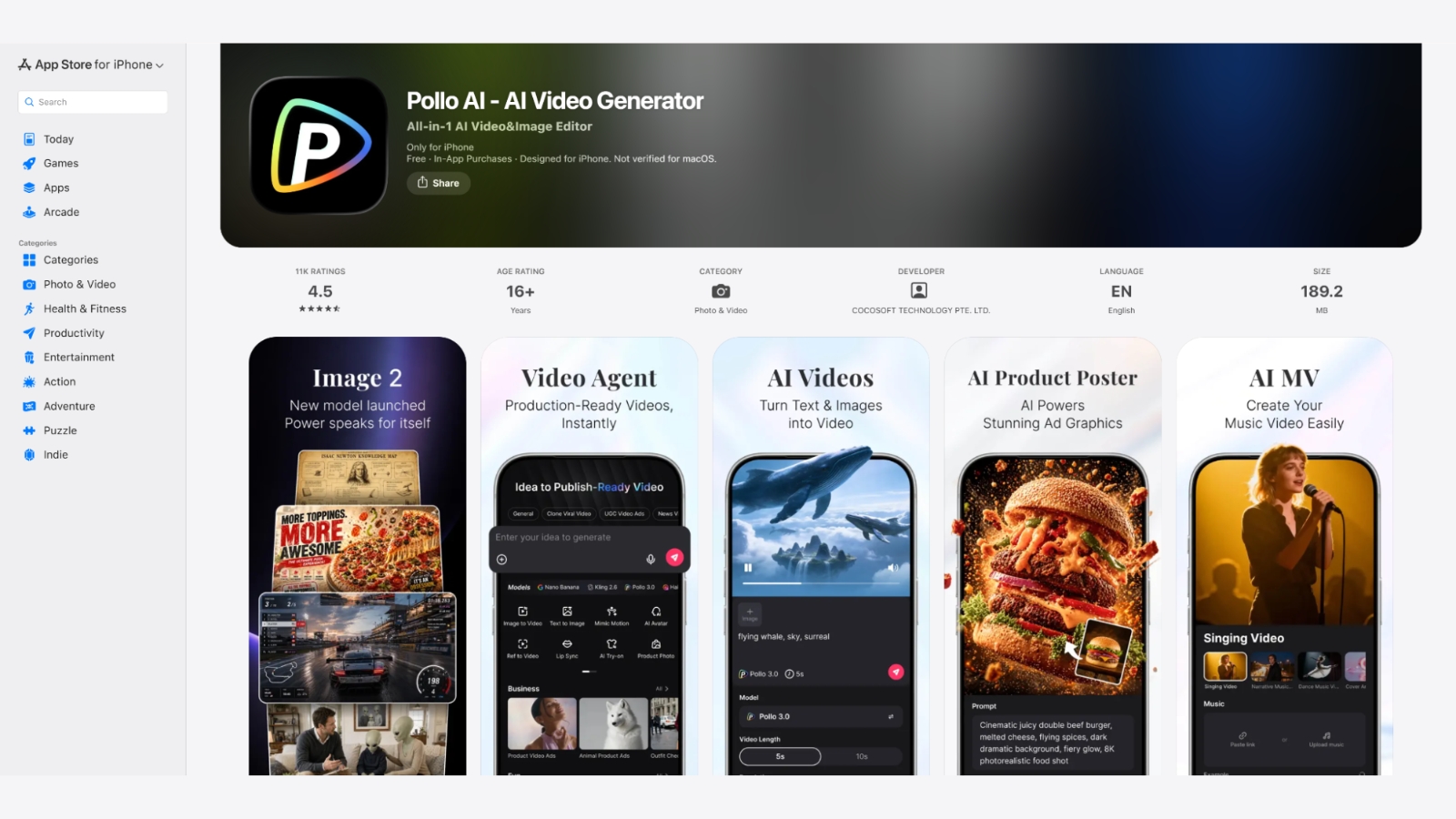
If you want to create localized video content more efficiently, Pollo AI is worth exploring.
It offers a wide range of features for AI-powered video creation, making it useful for brands that need flexibility, speed, and creative control. Whether you want to experiment with multilingual content, visual adaptation, or video style transfer workflows, Pollo AI gives you plenty of options in one place.
If your team is looking for an easier way to produce content for different markets, it’s a smart idea to download the Pollo AI app and try it for yourself.
 Real Use Cases for AI Video Localization
AI video can support localization across many different content types. Here are a few common examples.
Product Marketing Videos
Brands can adapt product explainers for different regions by changing the language, voice, visuals, and messaging emphasis. A feature highlighted in one market may not be the main selling point in another.
Social Media Campaigns
Short-form content needs to feel native to the platform and the audience. AI video helps marketers create localized versions for TikTok, Instagram Reels, YouTube Shorts, and other channels without rebuilding every campaign from scratch.
Ecommerce Content
For online stores, localization can improve product page videos, ad creatives, onboarding content, and post-purchase support. This helps customers feel more confident and understood throughout the buying journey.
Brand Storytelling
When entering a new market, brands often need introductory content that explains who they are and why they matter. AI video makes it easier to create region-specific brand messaging that feels more relevant from day one.
Why This Matters for Growth?
Global audiences do not want generic content. They want content that feels like it belongs in their world.
AI video helps brands deliver that experience faster and more efficiently. It allows marketing teams to scale localization without multiplying production complexity at the same pace. That means brands can enter more markets, adapt more quickly, and stay more consistent across regions.
In a crowded digital landscape, that can be a serious competitive edge.
Final Thoughts
Localized content nowadays is one of the clearest ways to build trust, improve engagement, and make marketing feel more relevant. AI video is making localization far more practical than it used to be.
From multilingual adaptation to visual customization through video style transfer, AI tools are helping brands turn one piece of content into many market-ready versions. That means faster execution, lower costs, and better audience connection.
For brands with global ambitions, that is a real advantage.